THE CROWN IN CANADA
The Crown
Canada is a constitutional monarchy. The Crown in Canada was first established by the Kings of France in the 16th century, as a province of the Kingdom of France. Kings and Queens of France and England have reigned over Canada since 1534. Under the reign of Canada's sovereigns, the country evolved from a French colony into an independent nation. Today, the Crown remains at the heart of our democratic institutions: it is at once a source of legal authority, a symbol of historical continuity, and a unifying point of reference for all Canadians, regardless of their origin, language, or region.
The Historical Evolution of the Crown in Canada
From New France to modern-day Canada, the Crown has weathered the country's great political transformations. It was first British following the Conquest of 1760, then evolved with the adoption of the British North America Act in 1867, which made Canada a self-governing dominion while retaining the Crown as the foundation of its system of government. The Statute of Westminster of 1931 subsequently recognized Canada's legislative independence, paving the way for the Canadian Crown to gradually become distinct from that of the United Kingdom — a process completed with the patriation of the Constitution in 1982.
A Crown Distinct from the British Monarchy
Although the same sovereign reigns simultaneously over Canada, the United Kingdom, and several other Commonwealth realms, it is essential to understand that the Canadian Crown is legally distinct from the British Crown. The King of Canada acts solely on the advice of his Canadian ministers and within the framework of the Canadian Constitution, independently of his role in the United Kingdom. This distinction is what allows, for example, the Governor General and the Lieutenant Governors to exercise the powers of the Crown on Canada's behalf, without British intervention.
Canada's Head of State
In today's constitutional monarchy, His Majesty King Charles III is King of Canada and Canada's Head of State. He is the living embodiment of the Crown in Canada. Within the system of government, the Crown holds the power to govern but entrusts it to the government, which exercises it in the name of and for the benefit of the population.
A Constitutional, Symbolic, and Unifying Role
The Crown's role extends far beyond ceremony. On the constitutional level, it ensures the continuity of the State, grants royal assent to laws, summons and dissolves Parliament, and safeguards the smooth functioning of the parliamentary system, particularly in times of political uncertainty. On the symbolic level, it embodies values of service, stability, and continuity that transcend governments and partisan allegiances. Finally, on the unifying level, the Crown brings Canadians together around shared institutions: it is present in the oath taken by new citizens, parliamentarians, military personnel, and police officers, a reminder that public service is rendered to the State and its people, above the interests of any single party.
A Monarchy That Has Evolved With Canadian Identity
Far from static, the Canadian monarchy has continuously adapted to the country's evolving identity. It has embraced official bilingualism, recognized Canada's cultural and Indigenous diversity, and grown closer to citizens through an increased presence within communities, the armed forces, and Canadian charitable organizations. This capacity for adaptation largely explains why the Crown remains, to this day, a living and relevant institution in defining what it means to be Canadian.
The Governor General and Lieutenant Governors
The Governor General and the ten Lieutenant Governors represent the Crown in Canada and act on the King's behalf. The role and responsibilities of the Governor General consist of carrying out several duties on the King's behalf.
The Parliament of Canada
The Parliament of Canada is composed of the King, the Senate, and the House of Commons. In the provinces, the legislatures are composed of the Lieutenant Governor and the elected assembly.
- Source: Government of Canada
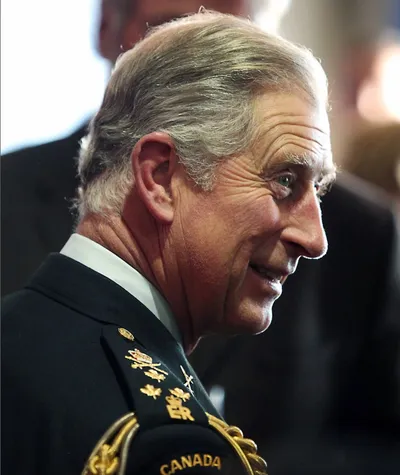
The Canadian Royal Family
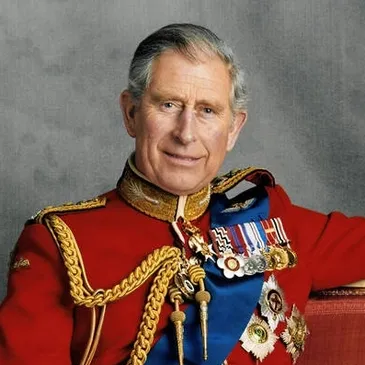
His Majesty King Charles III
King of Canada, the United Kingdom, and 13 other Commonwealth realms. The King is Honorary Colonel-in-Chief of seven Canadian military regiments and serves as patron or president of over 400 charitable organizations worldwide, including The Prince's Trust Canada.
November 14, 1948 (age 76)
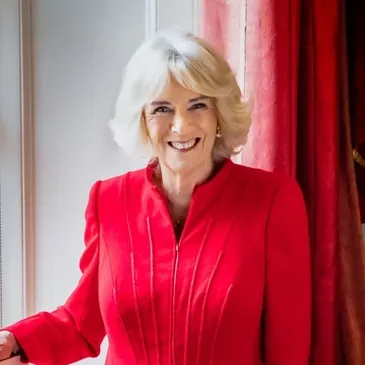
Her Majesty Queen Camilla
Queen Consort of Canada, the United Kingdom, and 13 other Commonwealth realms. The Queen holds a family connection to Canada dating back to the 19th century. Today, she also holds the position of Colonel-in-Chief of the Queen's Own Rifles of Canada.
July 17, 1947 (age 74)
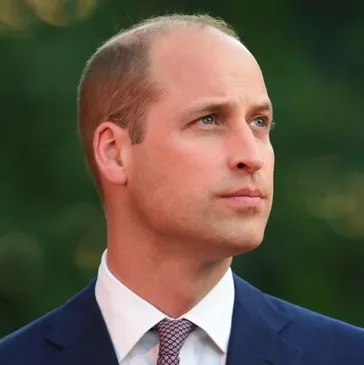
His Royal Highness The Prince of Wales (William)
The Prince of Wales is first in the line of succession to the throne of Canada, the United Kingdom, and the 13 other Commonwealth realms.
June 21, 1982 (age 42)

Her Royal Highness The Princess of Wales (Catherine)
The Princess of Wales, born "Kate," is known worldwide for her dedication to various charitable causes and her sense of style.
January 9, 1982 (age 43)
The Monarch
His Majesty King Charles III, King of Canada
Canada is a constitutional monarchy. Since 1534, when the King of France claimed what is now Canada, our country's history has been shaped by an unbroken line of monarchs, both French and British, who have had a profound influence on its development. As a constitutional monarch, the King no longer "rules" the country, but he remains a component of our system of government and of our identity as Canada's Head of State.
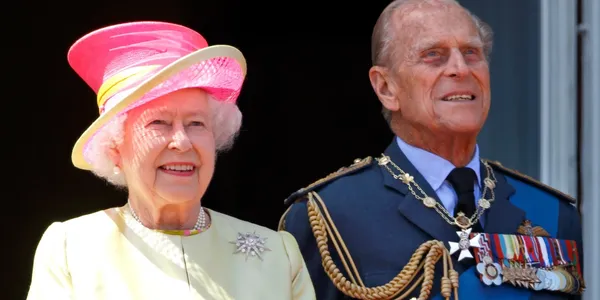
Queen Elizabeth II was the first sovereign of Canada to be distinctly proclaimed Queen of Canada; in 1953, the Royal Style and Titles Act officially conferred upon her the title "Queen of Canada." On September 8, 2022, Queen Elizabeth II passed away peacefully at Balmoral Castle. His Majesty King Charles III succeeded her.
As the living embodiment of the Crown, the King unites Canadians, inspires a collective sense of belonging to our country, and strengthens our national identity and pride. New Canadians, members of the federal Parliament, provincial and territorial legislatures, military personnel, and police officers all take an oath of allegiance to the King.



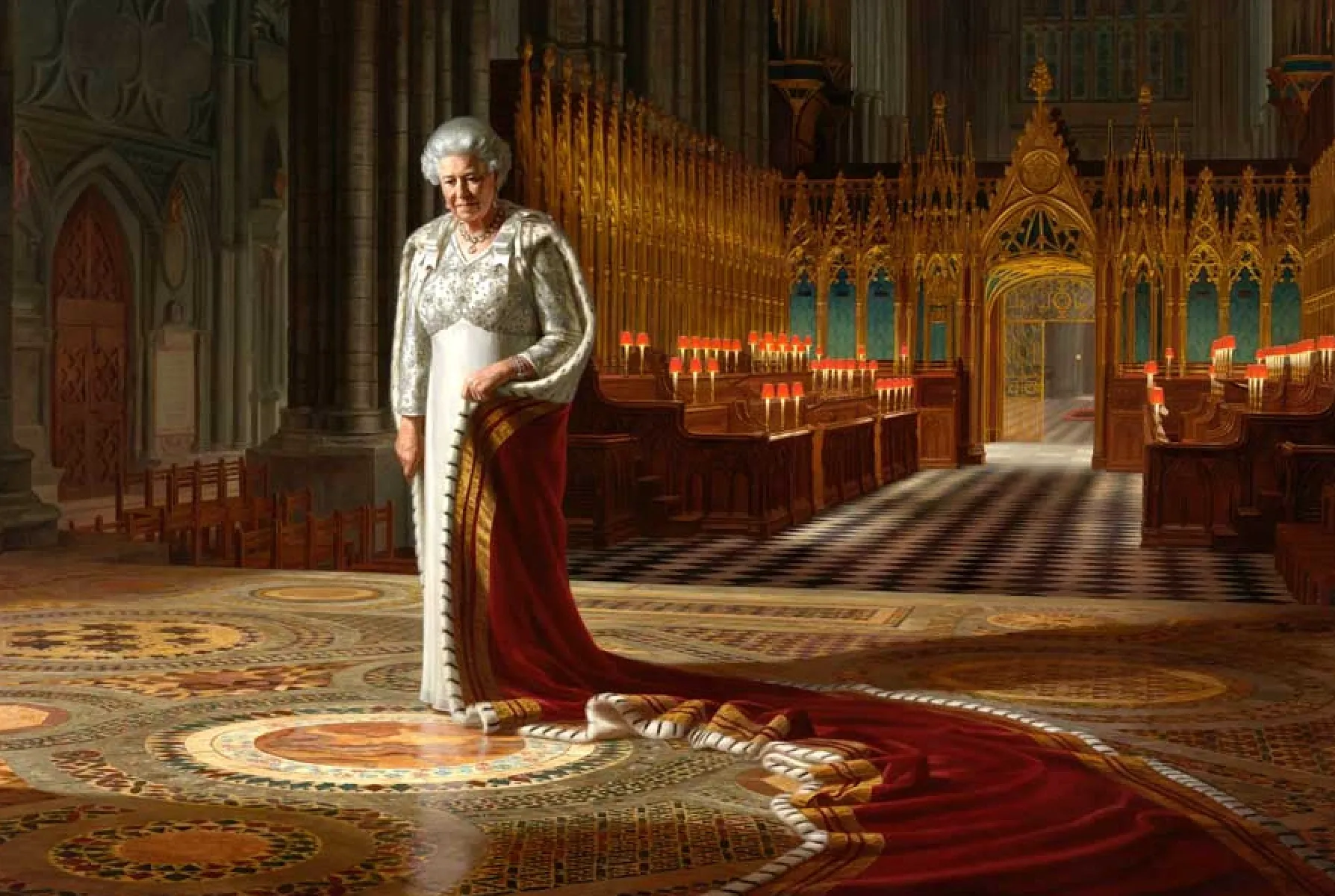
A WORLD QUEEN
70 Years of Devotion
Continuing to amaze us after all these years of faithful service to humanity, to our country, to our constitution, to our Armed Forces, and to Canadians, Queen Elizabeth II continued to lead by example.
Indeed, after safeguarding democracy under 15 British prime ministers, 16 Australian prime ministers, 18 New Zealand prime ministers, and 13 Canadian prime ministers; after contributing to the Second World War effort and meeting the planners of the D-Day landings; after meeting the Kennedy family and establishing diplomatic relations with nearly all of their successors, as well as with the leaders of 117 other countries; Queen Elizabeth II continued to honour her oath for more than 25,782 days.
Elizabeth II's reign profoundly shaped the evolution of modern Canada. It was during her reign that the country patriated its Constitution in 1982, a pivotal moment when the Queen herself came to Ottawa to grant royal assent to the Constitution Act, sealing Canada's complete legislative independence while retaining the Crown as the foundation of our democracy. She was also present for many of the country's great milestones: the Centennial of Confederation in 1967, the Montreal Olympics in 1976, and numerous national celebrations that have shaped contemporary Canadian pride.
Over the course of 22 official visits to Canada, Queen Elizabeth II developed a special relationship with the Canadian people, visiting every province and several territories, often far from major centres, to meet directly with citizens. This constant presence, combined with her unwavering commitment to public and volunteer service, made her a living symbol of continuity and stability through seven decades marked by considerable social, technological, and political change.
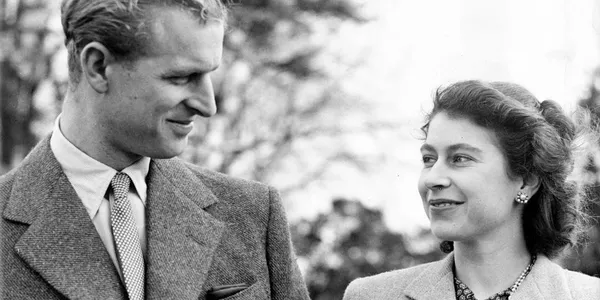
70 Years of Service
Not so long ago, the 70th anniversary of Queen Elizabeth II's accession to the throne resonated around the world. Throughout her reign, the Queen championed public and volunteer service across the globe.
Until quite recently, she served as patron of more than 600 charities and organizations, including 36 in Canada, such as the Canadian Cancer Society and the Canadian Nurses Association. She passed on this sense of service to every member of the Royal Family.