
- Details
- Category: Uncategorised

YOUR BENEFITS
CHOOSE YOUR MEMBERSHIP
Regular membership represents crucial support for the Crown Society of Canada. Select your membership type in the form below.
*Bronze student members and Silver Royal Canadian Legion members must complete and submit the CSC - Proof of Eligibility for Discount Form.
**By becoming a member you agree to our Privacy Policy and Personal Information Protection Policy.
⚠️ Important — Auto-Renewing Subscription: All memberships are annual subscriptions that renew automatically each year. It is your responsibility to notify the Society before the renewal date if you do not wish to renew your membership — you must cancel at least 5 business days before the renewal date. After this deadline, your membership will be automatically renewed and charged, and no refund will be issued, regardless of the reason.
HOW TO BECOME A MEMBER
Two simple steps to join the Crown Society of Canada.
Fill Out the Form
Tell us a bit about yourself and your motivation for joining the Society.
↓ Fill out the form directly below ↓
Pay Your Membership Fee
After submitting your request, a payment button will automatically appear based on your selected membership type.
MEMBERSHIP FORM
Crown Society of Canada
MAKE A DONATION
Your generosity supports the Society's mission: celebrating our constitutional monarchy, protecting our heritage, and promoting our institutions.
MAKE A DONATION- Details
- Category: Uncategorised
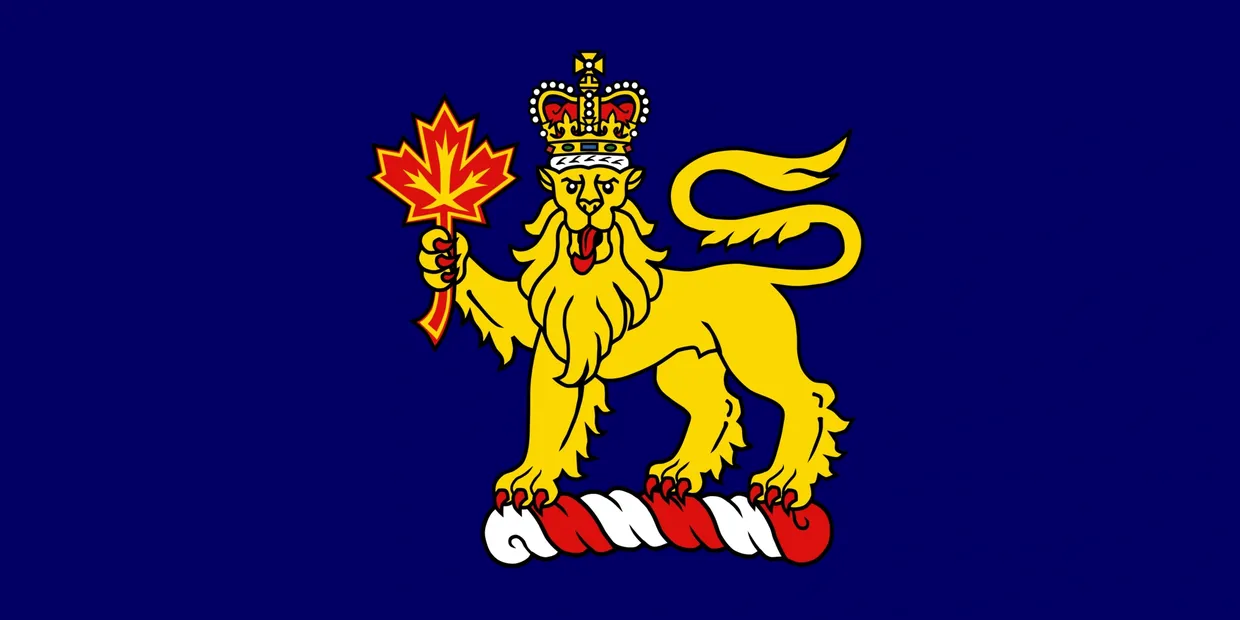
HIS MAJESTY'S REPRESENTATIVE IN CANADA
History of the Office of Governor General
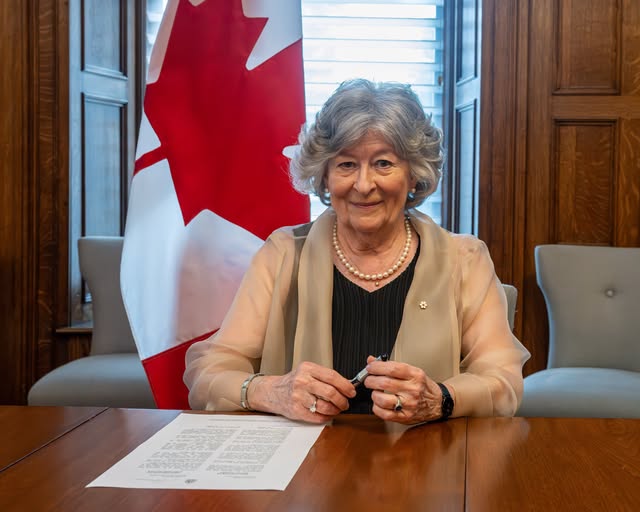
The Governor General represents His Majesty the King of Canada at the federal level. The office of Governor General is Canada's oldest institution, marking an unbroken link between the present day and the earliest European settlements in the country. Appointed Governor of New France in 1627, Samuel de Champlain was the first of 18 French governors who succeeded one another until 1760. From that date until Confederation in 1867, 21 British governors and governors general held this office in Canada. Before 1952, governors general were British. In 1952, the installation of Vincent Massey, the first Canadian to hold this position, reflected the new sense of autonomy and Canadian identity in that post-war period, as well as pride in the Crown in Canada.
Vincent Massey's appointment was significant, as it marked the beginning of the modern institution of Governor General, with a Canadian representing the King and assuming his responsibilities in Canada. Since then, the role of Governor General has evolved. The following are among the responsibilities Canada's governors general must fulfill, always on the King's behalf:
- Bestowing honours;
- Representing Canada abroad;
- Signing the credentials of Canadian diplomats;
- Signing treaties and declarations of war;
- Granting coats of arms to Canadians who request them.
Appointed by the King on the recommendation of the Prime Minister, the Governor General usually remains in office for five years. Lieutenant Governors fulfill the King's duties and responsibilities in the provinces in the same way the Governor General does at the national level.
The Governor General bears the title "His/Her Excellency" during their term in office, as does their spouse. The title "Right Honourable" is also conferred on them for life.
The Role and Responsibilities of the Governor General
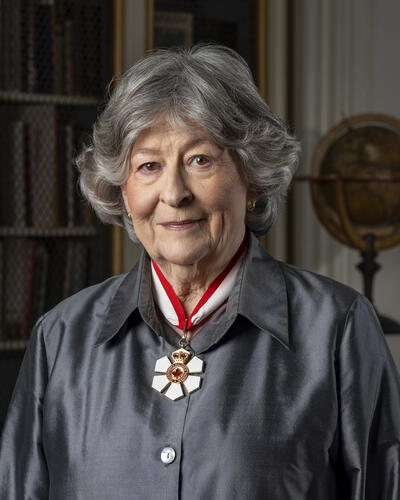
In 1947, the Letters Patent constituting the office of Governor General of Canada (under the reign of King George VI) authorized the Governor General to exercise most of the powers of the Crown on the sovereign's behalf.
Among the Governor General's parliamentary responsibilities are:
- summoning, proroguing, and dissolving Parliament;
- outlining the government's program by reading the Speech from the Throne;
- granting Royal Assent, which gives the force of law to bills passed by Parliament.
The Governor General is also Commander-in-Chief of Canada. They visit military bases and honour Canadian military personnel on the King's behalf. The Governor General also carries out ceremonial duties:
- fostering a sense of identity;
- recognizing the achievements of remarkable Canadians;
- receiving foreign dignitaries;
- travelling abroad as a representative of Canada;
- organizing and taking part in official events.
In exceptional cases, the Governor General may be absent, or the office of Governor General may be temporarily vacant. In such situations, the Letters Patent constituting the office of Governor General of Canada (1947) stipulate that the Chief Justice of the Supreme Court of Canada will assume the Governor General's duties on an interim basis, as Administrator of the Government of Canada, until the absent Governor General returns to the country and resumes their duties, or, in the case of a transition, until the designated Governor General has been appointed and sworn in as the new Governor General of Canada.
Source: The website of the Governor General of Canada and the Government of Canada

PROVINCIAL AND TERRITORIAL REPRESENTATIVES
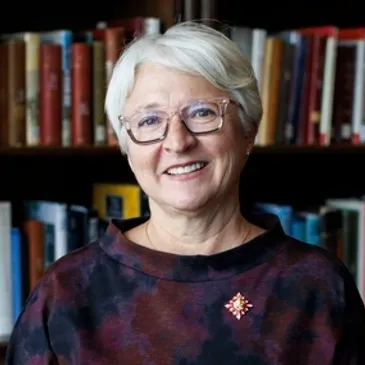

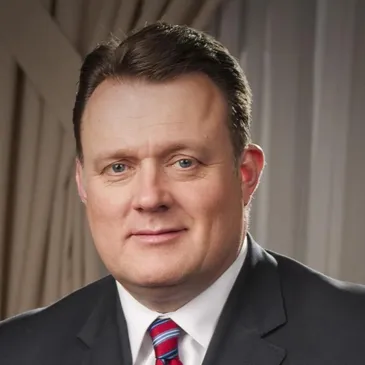
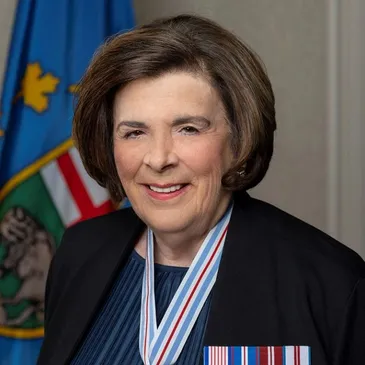

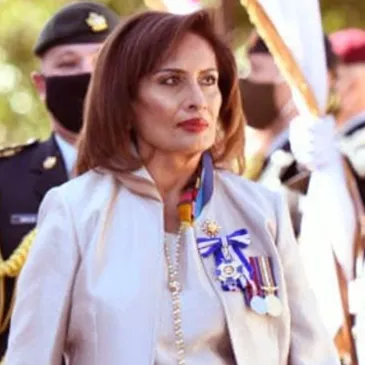
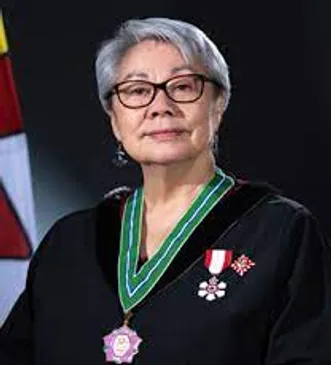
Her Honour the Honourable Wendy Cocchia, C.M., DStJ, O.B.C., LL.D. (Hon)
Lieutenant Governor of British Columbia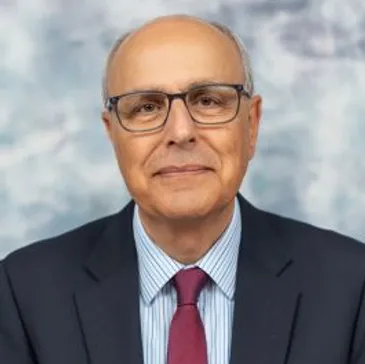

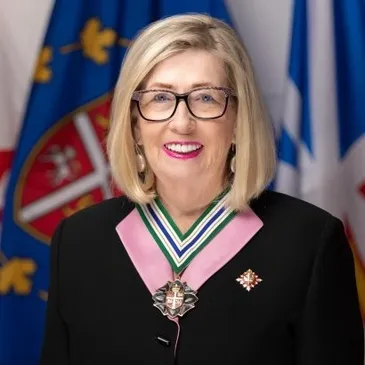
Her Honour the Honourable Joan Marie J. Aylward, DStJ, ONL
Lieutenant Governor of Newfoundland and Labrador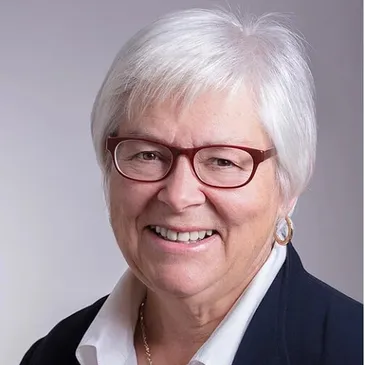
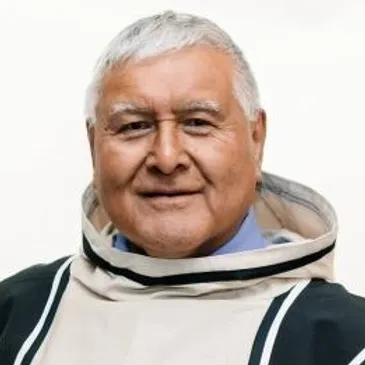

RESPONSIBILITIES
Role
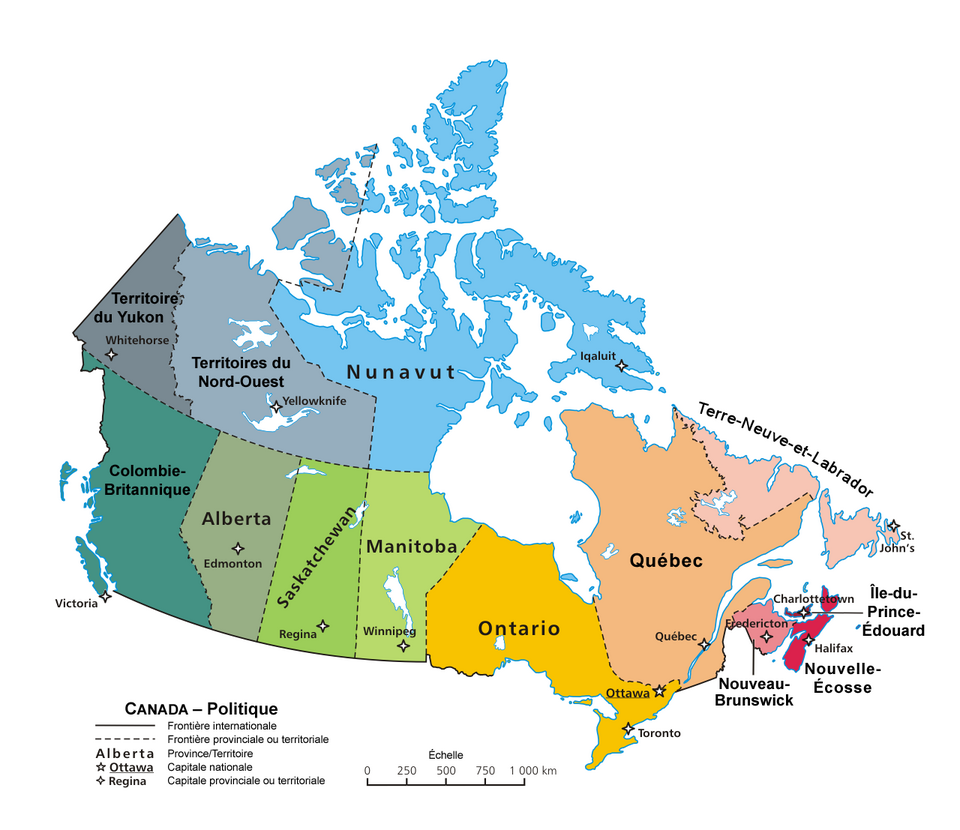
His Majesty the King is represented by ten Lieutenant Governors and three Commissioners at the provincial level. The Governor General, the Lieutenant Governors, and the territorial Commissioners meet annually to discuss matters of mutual interest and ways to better serve Canadians from coast to coast.
During their terms, Lieutenant Governors & Commissioners carry out the following responsibilities:
- granting Royal Assent to bills passed in provincial legislative assemblies before they become law;
- ensuring that functioning provincial governments are in place at all times;
- delivering the Speech from the Throne at the opening of new legislative sessions;
- dissolving governments when necessary;
- welcoming members of the Royal Family as well as foreign heads of state and dignitaries to their respective provinces;
- promoting and celebrating excellence by serving as honorary patrons and presenting honours.
Lieutenant Governors & Commissioners are the highest-ranking officials in their province and represent His Majesty the King there. They also carry out ceremonial and community duties, such as:
- Fostering a sense of identity;
- Acting as the King's representative in the province;
- Serving as the province's official host;
- Supporting social causes;
- Recognizing outstanding citizens.
After the passage of the British North America Act in 1867, Lieutenant Governors served as a liaison between the federal government and provincial governments, advising their respective provincial governments on federal laws. Now that provinces have jurisdiction over a greater number of regional matters, their role focuses mainly on their responsibilities as representatives of the sovereign and as the leading officials of the province.
- Source: Governor General of Canada
Appointment
Lieutenant Governors are appointed by the Governor General on the advice of the Prime Minister of Canada. They act as representatives of the sovereign for a term that normally lasts five years.
After taking office, they are granted the title "Honourable" for the rest of their lives. In conversation and correspondence, "Your Honour" is used to address the Lieutenant Governor as well as their spouse.
Learn more ›CANADA, FROM COAST TO COAST
- Details
- Category: Uncategorised
THE CROWN IN CANADA
The Crown
Canada is a constitutional monarchy. The Crown in Canada was first established by the Kings of France in the 16th century, as a province of the Kingdom of France. Kings and Queens of France and England have reigned over Canada since 1534. Under the reign of Canada's sovereigns, the country evolved from a French colony into an independent nation. Today, the Crown remains at the heart of our democratic institutions: it is at once a source of legal authority, a symbol of historical continuity, and a unifying point of reference for all Canadians, regardless of their origin, language, or region.
The Historical Evolution of the Crown in Canada
From New France to modern-day Canada, the Crown has weathered the country's great political transformations. It was first British following the Conquest of 1760, then evolved with the adoption of the British North America Act in 1867, which made Canada a self-governing dominion while retaining the Crown as the foundation of its system of government. The Statute of Westminster of 1931 subsequently recognized Canada's legislative independence, paving the way for the Canadian Crown to gradually become distinct from that of the United Kingdom — a process completed with the patriation of the Constitution in 1982.
A Crown Distinct from the British Monarchy
Although the same sovereign reigns simultaneously over Canada, the United Kingdom, and several other Commonwealth realms, it is essential to understand that the Canadian Crown is legally distinct from the British Crown. The King of Canada acts solely on the advice of his Canadian ministers and within the framework of the Canadian Constitution, independently of his role in the United Kingdom. This distinction is what allows, for example, the Governor General and the Lieutenant Governors to exercise the powers of the Crown on Canada's behalf, without British intervention.
Canada's Head of State
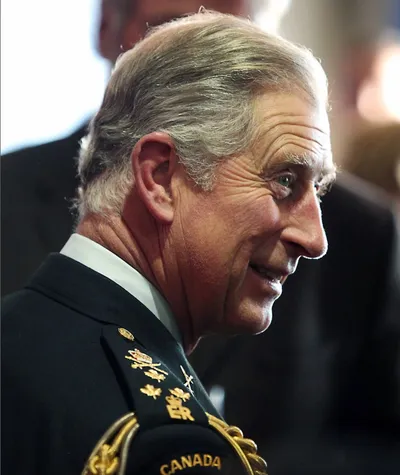
In today's constitutional monarchy, His Majesty King Charles III is King of Canada and Canada's Head of State. He is the living embodiment of the Crown in Canada. Within the system of government, the Crown holds the power to govern but entrusts it to the government, which exercises it in the name of and for the benefit of the population.
A Constitutional, Symbolic, and Unifying Role
The Crown's role extends far beyond ceremony. On the constitutional level, it ensures the continuity of the State, grants royal assent to laws, summons and dissolves Parliament, and safeguards the smooth functioning of the parliamentary system, particularly in times of political uncertainty. On the symbolic level, it embodies values of service, stability, and continuity that transcend governments and partisan allegiances. Finally, on the unifying level, the Crown brings Canadians together around shared institutions: it is present in the oath taken by new citizens, parliamentarians, military personnel, and police officers, a reminder that public service is rendered to the State and its people, above the interests of any single party.
A Monarchy That Has Evolved With Canadian Identity
Far from static, the Canadian monarchy has continuously adapted to the country's evolving identity. It has embraced official bilingualism, recognized Canada's cultural and Indigenous diversity, and grown closer to citizens through an increased presence within communities, the armed forces, and Canadian charitable organizations. This capacity for adaptation largely explains why the Crown remains, to this day, a living and relevant institution in defining what it means to be Canadian.
The Governor General and Lieutenant Governors
The Governor General and the ten Lieutenant Governors represent the Crown in Canada and act on the King's behalf. The role and responsibilities of the Governor General consist of carrying out several duties on the King's behalf.
The Parliament of Canada
The Parliament of Canada is composed of the King, the Senate, and the House of Commons. In the provinces, the legislatures are composed of the Lieutenant Governor and the elected assembly.
- Source: Government of Canada
The Canadian Royal Family
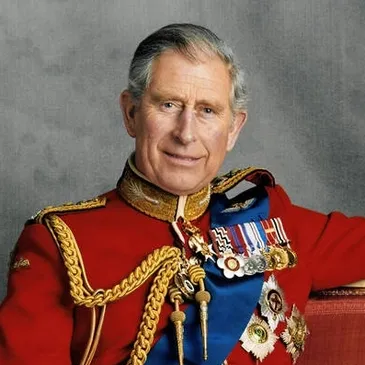
His Majesty King Charles III
King of Canada, the United Kingdom, and 13 other Commonwealth realms. The King is Honorary Colonel-in-Chief of seven Canadian military regiments and serves as patron or president of over 400 charitable organizations worldwide, including The Prince's Trust Canada.
November 14, 1948 (age 76)
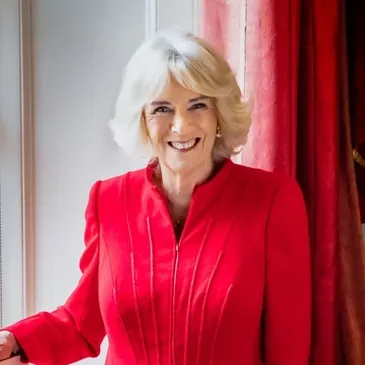
Her Majesty Queen Camilla
Queen Consort of Canada, the United Kingdom, and 13 other Commonwealth realms. The Queen holds a family connection to Canada dating back to the 19th century. Today, she also holds the position of Colonel-in-Chief of the Queen's Own Rifles of Canada.
July 17, 1947 (age 74)
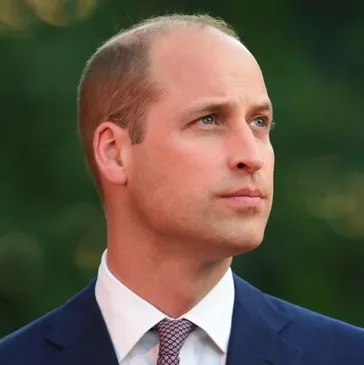
His Royal Highness The Prince of Wales (William)
The Prince of Wales is first in the line of succession to the throne of Canada, the United Kingdom, and the 13 other Commonwealth realms.
June 21, 1982 (age 42)
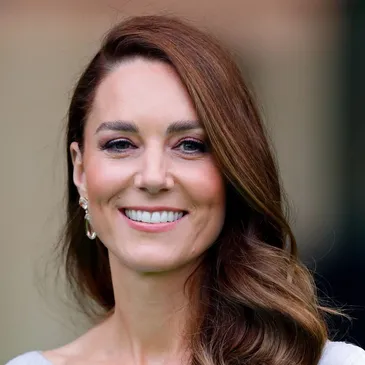
Her Royal Highness The Princess of Wales (Catherine)
The Princess of Wales, born "Kate," is known worldwide for her dedication to various charitable causes and her sense of style.
January 9, 1982 (age 43)
The Monarch
His Majesty King Charles III, King of Canada
Canada is a constitutional monarchy. Since 1534, when the King of France claimed what is now Canada, our country's history has been shaped by an unbroken line of monarchs, both French and British, who have had a profound influence on its development. As a constitutional monarch, the King no longer "rules" the country, but he remains a component of our system of government and of our identity as Canada's Head of State.
Queen Elizabeth II was the first sovereign of Canada to be distinctly proclaimed Queen of Canada; in 1953, the Royal Style and Titles Act officially conferred upon her the title "Queen of Canada." On September 8, 2022, Queen Elizabeth II passed away peacefully at Balmoral Castle. His Majesty King Charles III succeeded her.
As the living embodiment of the Crown, the King unites Canadians, inspires a collective sense of belonging to our country, and strengthens our national identity and pride. New Canadians, members of the federal Parliament, provincial and territorial legislatures, military personnel, and police officers all take an oath of allegiance to the King.


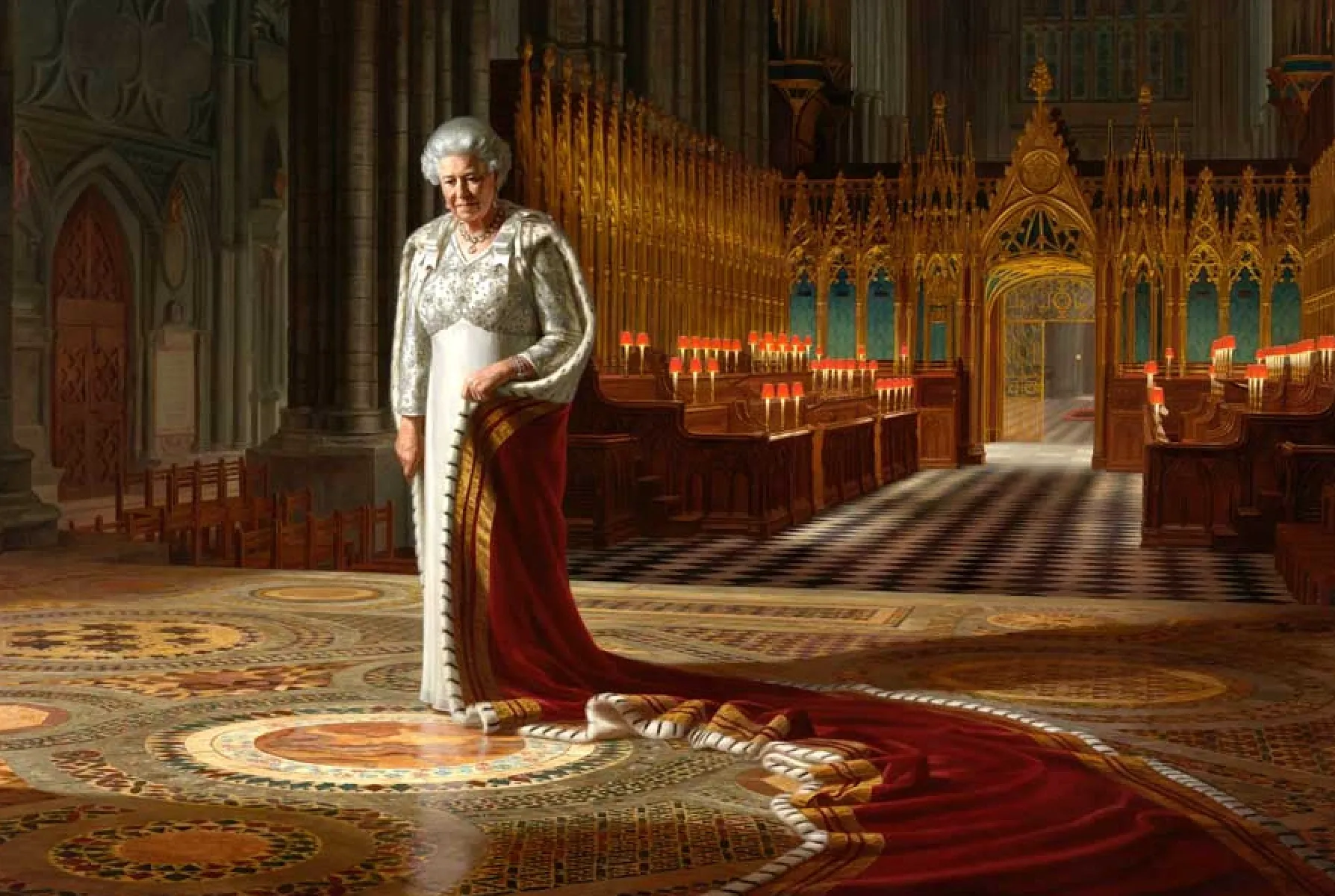
A WORLD QUEEN
70 Years of Devotion
Continuing to amaze us after all these years of faithful service to humanity, to our country, to our constitution, to our Armed Forces, and to Canadians, Queen Elizabeth II continued to lead by example.
Indeed, after safeguarding democracy under 15 British prime ministers, 16 Australian prime ministers, 18 New Zealand prime ministers, and 13 Canadian prime ministers; after contributing to the Second World War effort and meeting the planners of the D-Day landings; after meeting the Kennedy family and establishing diplomatic relations with nearly all of their successors, as well as with the leaders of 117 other countries; Queen Elizabeth II continued to honour her oath for more than 25,782 days.
Elizabeth II's reign profoundly shaped the evolution of modern Canada. It was during her reign that the country patriated its Constitution in 1982, a pivotal moment when the Queen herself came to Ottawa to grant royal assent to the Constitution Act, sealing Canada's complete legislative independence while retaining the Crown as the foundation of our democracy. She was also present for many of the country's great milestones: the Centennial of Confederation in 1967, the Montreal Olympics in 1976, and numerous national celebrations that have shaped contemporary Canadian pride.
Over the course of 22 official visits to Canada, Queen Elizabeth II developed a special relationship with the Canadian people, visiting every province and several territories, often far from major centres, to meet directly with citizens. This constant presence, combined with her unwavering commitment to public and volunteer service, made her a living symbol of continuity and stability through seven decades marked by considerable social, technological, and political change.
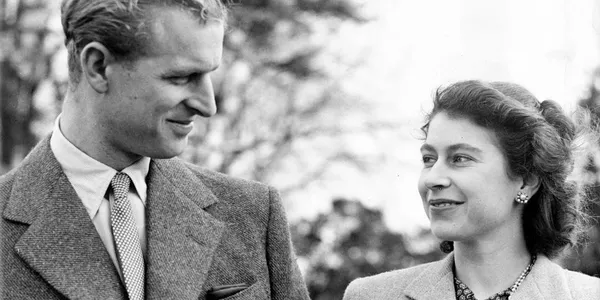
70 Years of Service
Not so long ago, the 70th anniversary of Queen Elizabeth II's accession to the throne resonated around the world. Throughout her reign, the Queen championed public and volunteer service across the globe.
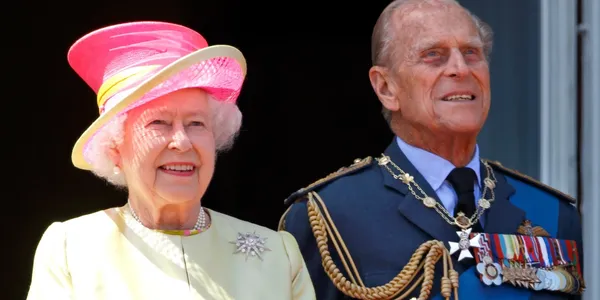
Until quite recently, she served as patron of more than 600 charities and organizations, including 36 in Canada, such as the Canadian Cancer Society and the Canadian Nurses Association. She passed on this sense of service to every member of the Royal Family.

- Details
- Category: Uncategorised
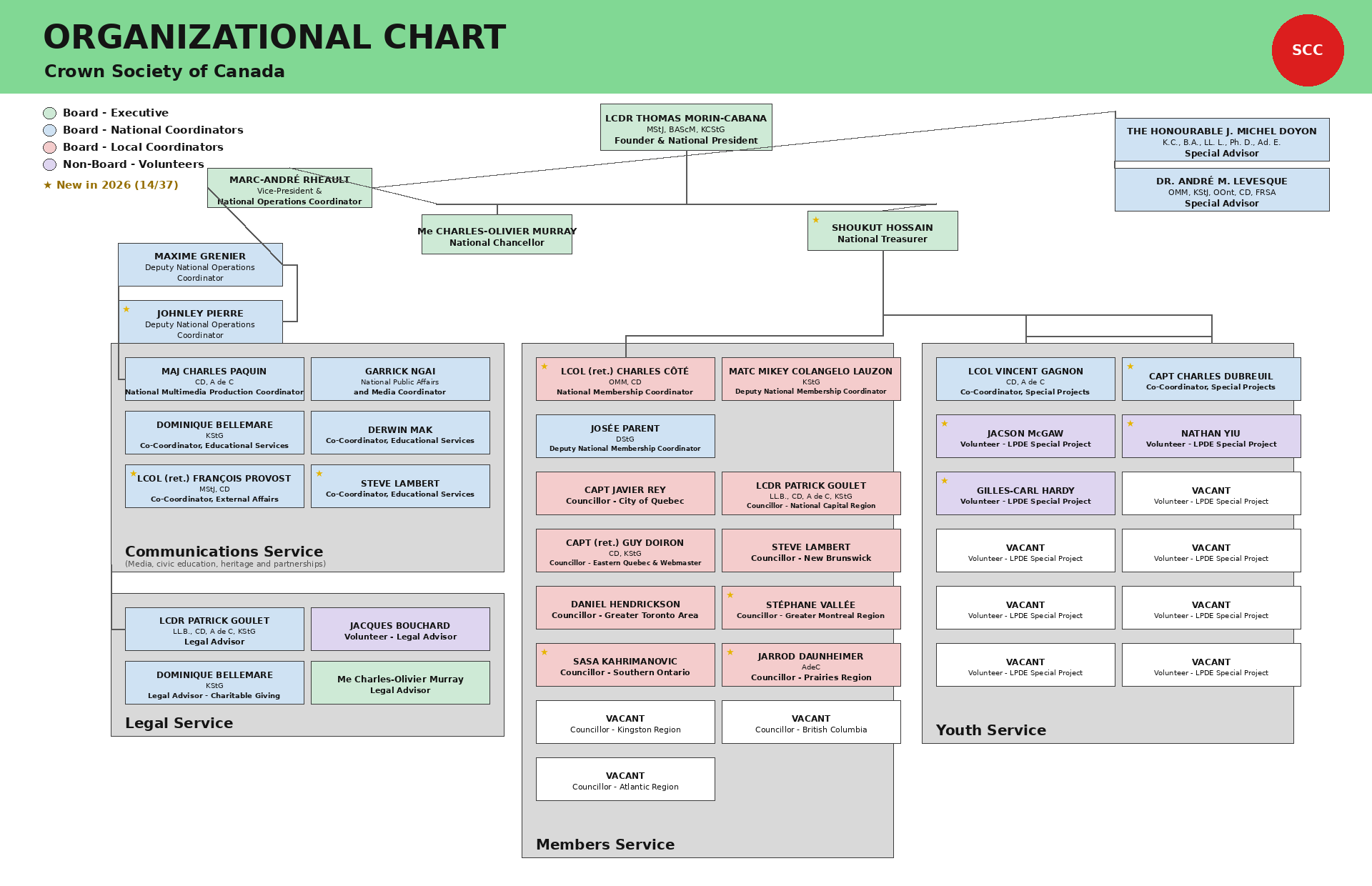
OUR GRAND COUNCIL:
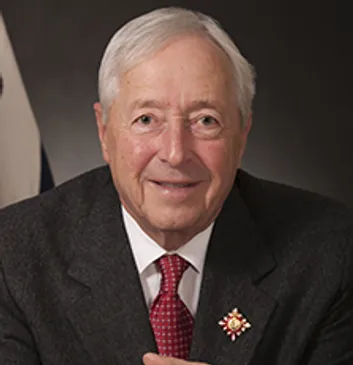
The Honourable J. Michel Doyon
K.C., B.A., LL. L., Ph. D., Ad. E.
29th Lieutenant Governor of Quebec and Special Advisor
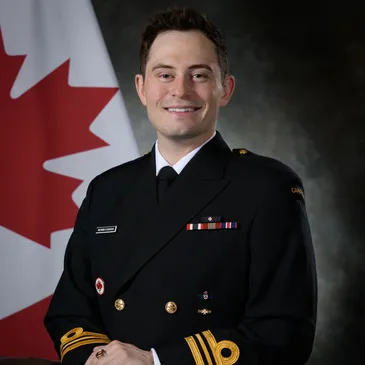
LCdr Thomas Morin-Cabana
MStJ, BAScM, KCStG
Founder & National President
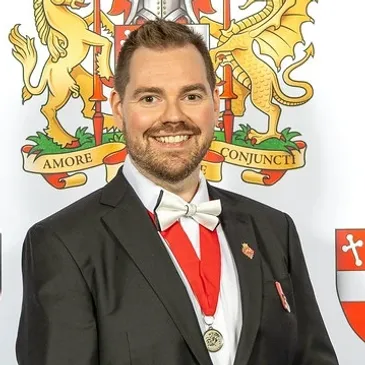
Mr. Marc-André Rheault
Vice-President and National Operations Coordinator

Mr. Charles-Olivier Murray
National Chancellor

Mr. Shoukut Hossain
RPA, APA (C), CMA (ANZ & Ind.), FCPA (USA)
National Treasurer
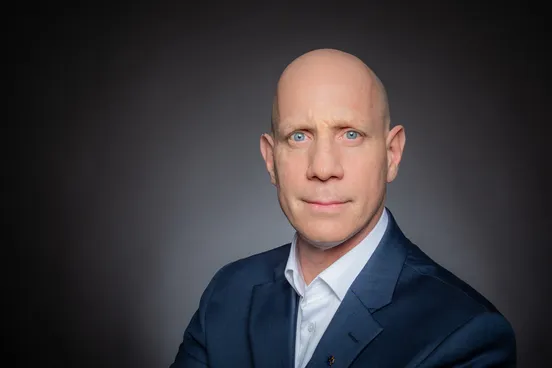
LCol (ret.) Charles Côté
OMM, CD
National Membership Coordinator

LS Mikey Colangelo Lauzon
KStG
Deputy National Membership Coordinator

Mr. Maxime Grenier
Deputy National Activities Coordinator
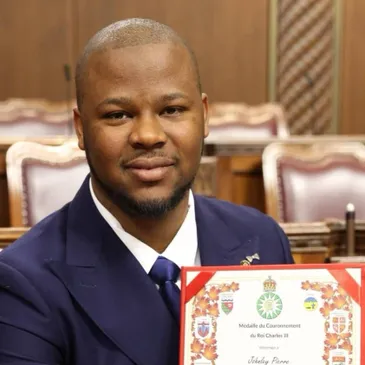
Johnley Pierre
Deputy National Activities Coordinator

Mr. Garrick Ngai
National Public Affairs and Media Coordinator

Maj. Charles Paquin
CD, A de C, KStG
National Multimedia Production Coordinator
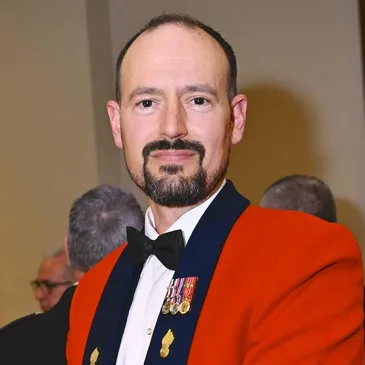
Lieutenant-Colonel Vincent Gagnon
CD, A de C
Co-Coordinator, Special Projects
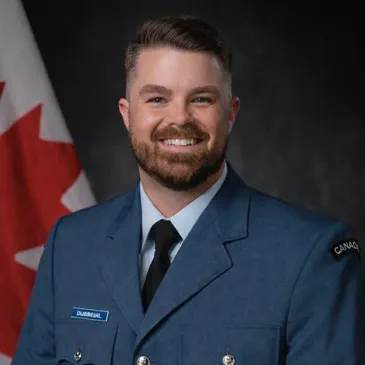
Capt Charles Dubreuil
Co-Coordinator, Special Projects
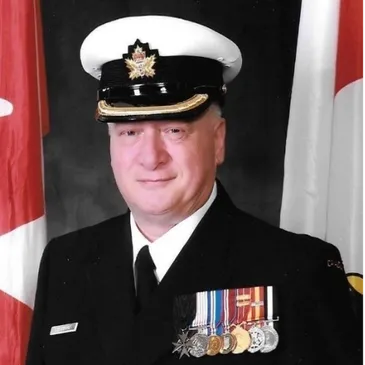
LCdr (ret.) Pierre Lefebvre
MStJ, CD, Admin.A, CFO
Co-Coordinator, National External Affairs
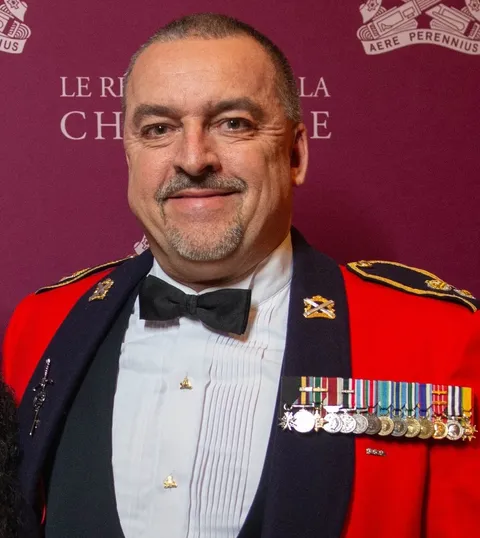
LCol (ret.) François Provost
MStJ, CD
Co-Coordinator, National External Affairs
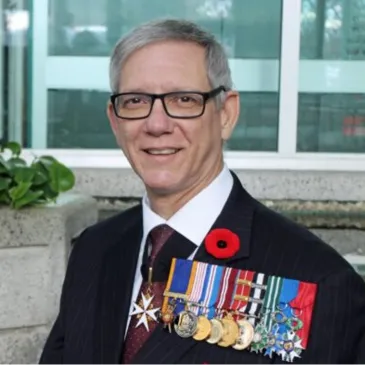
Dr. André M. Levesque
OMM, KStJ, OOnt, CD, FRSA
Special Advisor
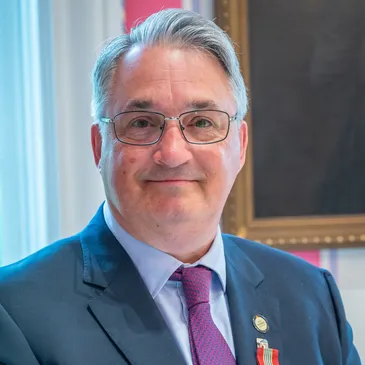
Mr. Dominique Bellemare
KStG
Co-Coordinator, Educational Services
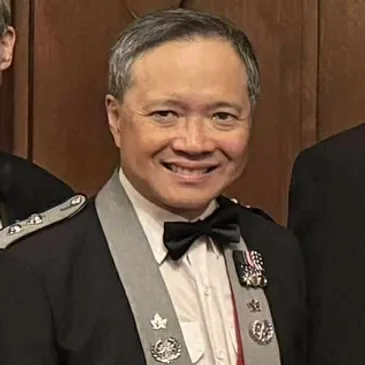
Mr. Derwin Mak
Co-Coordinator, Educational Services
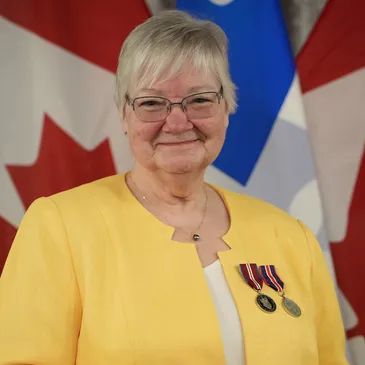
Ms. Estelle Bouthillier
Monarchy Expert Analyst
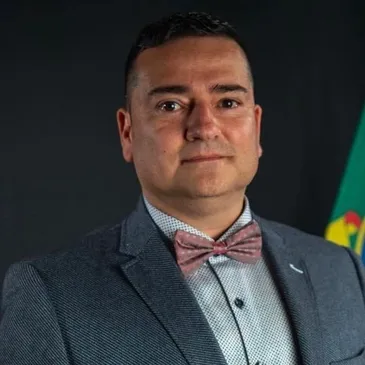
Capt Javier Rey
KStG
Councillor, City of Quebec
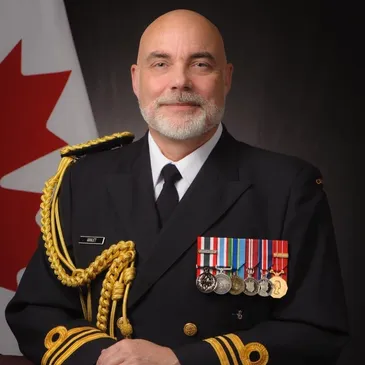
LCdr Patrick Goulet
LL.B., CD, A de C, KStG
Councillor, National Capital Region
Vacant
Councillor, Greater Montreal Region
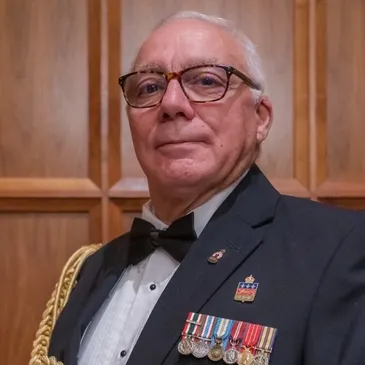
Capt (ret.) Guy Doiron
CD, KStG
Councillor, Eastern Quebec, and Webmaster
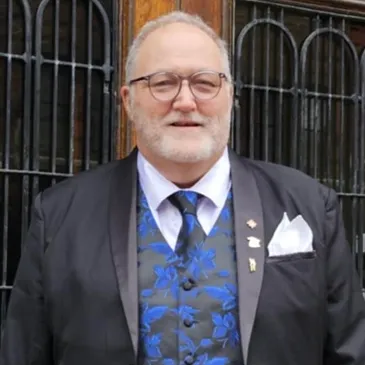
Steve Lambert
Councillor, New Brunswick

Daniel Hendrickson
Councillor, Greater Toronto Area
Vacant
Councillor, City of Kingston
Vacant
Councillor, Southern Ontario
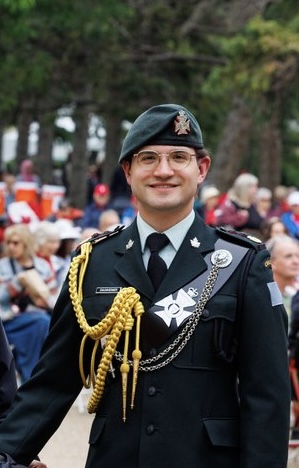
Capt Jarrod Daunheimer
Councillor, Saskatchewan
- Details
- Category: Uncategorised
Our Mission
The Crown Society of Canada, called upon by circumstances to join the ranks of Canada's monarchist institutions, is a non-profit, volunteer-based organization serving its members, the programs its members belong to or have belonged to, and their mission to promote the recognition and advancement of Canada's constitutional monarchy.
- To support His Majesty King Charles III, King of Canada, his heirs and successors, the Royal Family, the Royal Household, his Canadian representatives such as the Governor General of Canada and the Lieutenant Governors, as well as authorized royal institutions in the course of their activities and in accordance with the law;
- To protect Canadian heritage through the defence of its constitutional monarchy, its history, culture, customs and traditions, and its Canadian monarchist assets (statues, symbols, objects, sites and monuments, emblems, etc.);
- To promote and advance the constitutional monarchy and the Commonwealth within the mission and objectives we are called to pursue;
- To offer Canadians a strong and vibrant society through which they may gather, exchange ideas, support and protect our institutions, and recognize Canadians from coast to coast through a dynamic and powerful network offering enriching opportunities.
Our Vision
The Crown Society of Canada aspires to become a national reference point for education, dialogue, and awareness regarding Canada's constitutional monarchy. It seeks to build a bilingual, intergenerational community present in every region of the country.
Through its activities, publications, partnerships, and youth-oriented initiatives, the Society aims to contribute to a better understanding of our institutions, our history, and the traditions that shape Canadian identity.
How We Fulfill Our Mission
Organizing conferences, ceremonies, and educational activities
Publishing bilingual resources on the Canadian monarchy
Recognizing individuals who have contributed to the Crown and to public service
Collaborating with civic, military, educational, and constitutional institutions
Creating opportunities for participation for young people and citizens across all regions of Canada